
Aging brings its share of changes, which can be perceived as a decline with its share of losses. The brain is no exception. There are a multitude of cerebral transformations, with countless variables from person to person. They will not necessarily affect the performance of all cognitive abilities.
The main changes are:
1. Slowing of thought and certain actions.
2. Difficulty concentrating.
3. Difficulty learning.
These represent normal declines due to aging. However, the brain can undergo changes that lead to cognitive disorders, with impairments in attention, memory, language, planning, etc.
There are multiple so-called malleable risk factors that you can influence to reduce the risk of developing cognitive diseases. Among those mentioned in the latest edition of The Lancet, let's mention diabetes, hypertension, and obesity which cause inflammation and high tension that would affect cognition, but also a low level of education, social isolation, depression, hearing loss, smoking, and physical inactivity…
It is true that we have little control, but formidable weapons exist to prevent and maintain good cognitive abilities: our lifestyle habits and our behaviors…
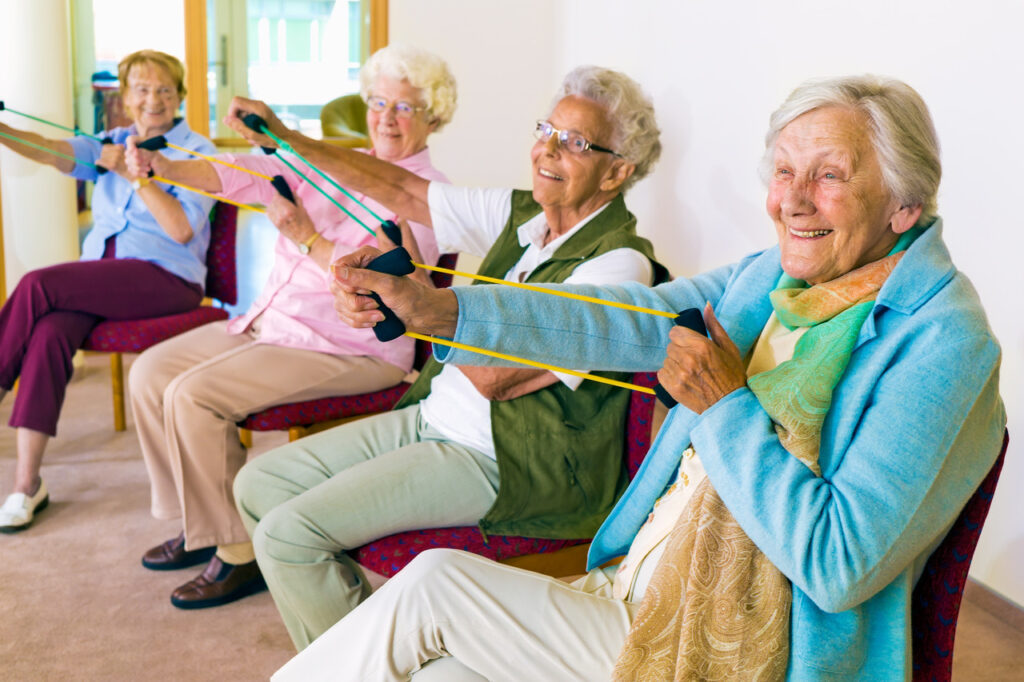
Physical exercise, an important factor
It is proven that older adults who exercise are more likely to maintain their cognitive health than those who do not. Although no randomized trials are available to demonstrate that physical activity prevents cognitive decline or dementia, observational studies have shown an inverse relationship between exercise and the risk of dementia.
The results of a meta-analysis of 15 prospective cohort studies that followed 33,816 people without dementia for 1 to 12 years indicated that physical activity had a significant preventive effect against cognitive decline, with high levels of exercise being the most protective.
Another meta-analysis included 16 studies involving 163,797 participants without dementia and found that the relative risk of dementia in the highest physical activity groups compared to the lowest group was 0.72 and that of Alzheimer's disease was 0.55.
Physical exercise also has benefits for older people without dementia, such as improved balance and reduced falls, improved mood, reduced mortality, and improved function.
It is advisable to exercise three times a week to maintain better general and cardiovascular health. In addition, it reduces stress and increases blood supply to the brain. Be curious and explore an activity you will enjoy and start at a level that is accessible to you. Above all, if you have a particular medical condition, consult a doctor before starting an exercise program.
Maintain medical follow-ups
Prevention is cure. Consult your doctor for annual health check-ups. As mentioned above, diabetes, hypertension, and obesity are risk factors, so it is important to diagnose and then control them.
To avoid any under-stimulation, remember to test your sight and hearing, as these senses are just as important for maintaining cognitive health.
Eat well
To avoid obesity but also to prevent any deficiency in essential vitamins and minerals, diversify your diet in a healthy way. According to the Quebec Association of Neuropsychologists, fish, fruits and vegetables, whole grains, and good fats provide good nutritional benefits to the brain.
Sleep well
Fatigue, memory, and attention are primarily affected when we do not reach the five stages of sleep. Develop an evening routine and minimize the use of screens, such as television, at least one hour before bedtime.
Avoid stress
Stress affects the brain and makes it vulnerable; it disrupts memory and impacts our perception and expectations. Therefore, it is necessary to develop good relaxation techniques and restful activities. Practice deep breathing and meditation, whether by listening to CDs or by practicing tai chi or yoga.
Maintain social connections
Maintaining a social life prevents isolation, depression, and anxiety. Social activities, however trivial they may seem, are crucially important for cognitive stimulation and protect against cognitive decline. Join a book club or golf club, contact community organizations in your region such as the Seniors' Home or the Golden Age Club. You can also volunteer, a simple way to build connections while giving back.
In times of pandemic, social connections are even more important. Don't hesitate to video call your loved ones or see them while respecting social distancing.
Keep playing
Browsing the internet, gardening, knitting, puzzles, reading, playing a musical instrument are just a few examples of intellectually stimulating activities. There is no one activity better than another; it simply needs to interest you and be daily.
In conclusion, it is important to remember that the cognitive system undergoes changes throughout life and that aging affects the structure and chemistry of the brain. Know that the brain has surprising malleability and continues to adapt, regardless of age.
By Patricia Cyr, specialized educator
References:
The Lancet, Dementia prevention, intervention, and care
Association québécoise des neuropsychologues


